Mapping Sunlight in Your Home: A Practical Field Guide for Plants and Living Spaces
Problem: Where Does Natural Light Really Fall—and How Will That Change?
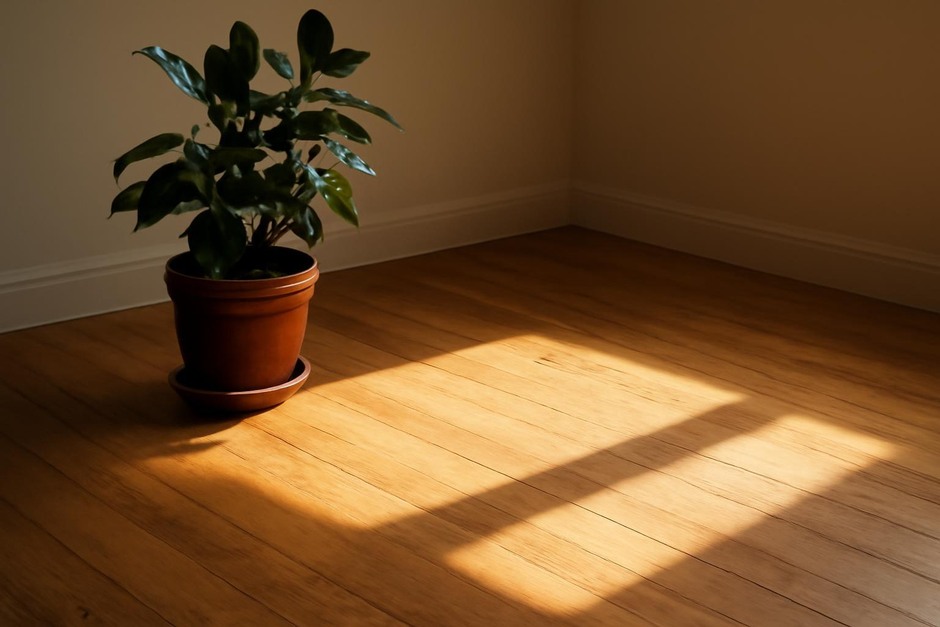
Many of us estimate sun exposure from a quick glance at a window or by assuming a room is “bright” or “dark.” Those impressions are useful but incomplete. Light moves across a room through the day and shifts with the seasons. A plant placed where it looks cheerful in May may be shaded through most of winter. A favourite armchair may be too warm in summer and chilly in early spring. The problem is uncertainty: without careful observation, we misplace plants, misjudge comfort, and miss simple adjustments that improve daily living.
Principles: How to Observe Light Like a Field Worker
Approach your home as an outdoor naturalist would a plot of land. The goal is to collect repeatable, simple observations that reveal patterns.
1. Time and repetition matter
One-off looks are misleading. Observe the same spot several times across the day and repeat the process at different points in the season. Note both the duration of direct sun (if any) and the quality of ambient light.
2. Orientation is a starting point, not a complete explanation
Knowing which way a window faces helps predict general light direction, but local factors—overhangs, neighbouring buildings, trees, and reflective surfaces—determine real exposure.
3. Light has character
Direct sun is intense and creates strong shadows; reflected light is softer and often enough for low- to medium-light plants. The colour temperature changes through the day and influences how surfaces and foliage appear.
4. Plants and people respond differently
Choose placement by matching the light pattern with needs: flowering or sun-loving plants need consistent bright or direct light; ferns and many foliage plants tolerate or prefer steady ambient light. For seating, consider glare and warmth as well as brightness.
Examples: Three Observational Walkthroughs
Example A — A compact north-facing flat
Situation: Narrow living room with one long north window and pale walls.
- Observation method: Place a sheet of white paper on the floor and take photos every two hours from 9:00 to 17:00 on a clear day, then note where the brightest patches are and whether any direct sun appears at all.
- Findings: No direct sun; brightest area is a strip near the window midday to afternoon due to reflection from neighbouring light-coloured building.
- Actionable tweak: Group low-light foliage plants near the brighter strip; add a small table with a translucent lamp for evening reading; avoid moving a heat-sensitive flowering plant there.
Example B — Deep south-facing kitchen
Situation: Long windows with a deep worktop; glass door opens to a courtyard.
- Observation method: Use a simple tally sheet to record hours of direct sunlight on the worktop for a week, including notes on seasonal change.
- Findings: Direct sun for 4–6 hours in late spring and summer around midday; in winter direct light is limited to a brief morning patch.
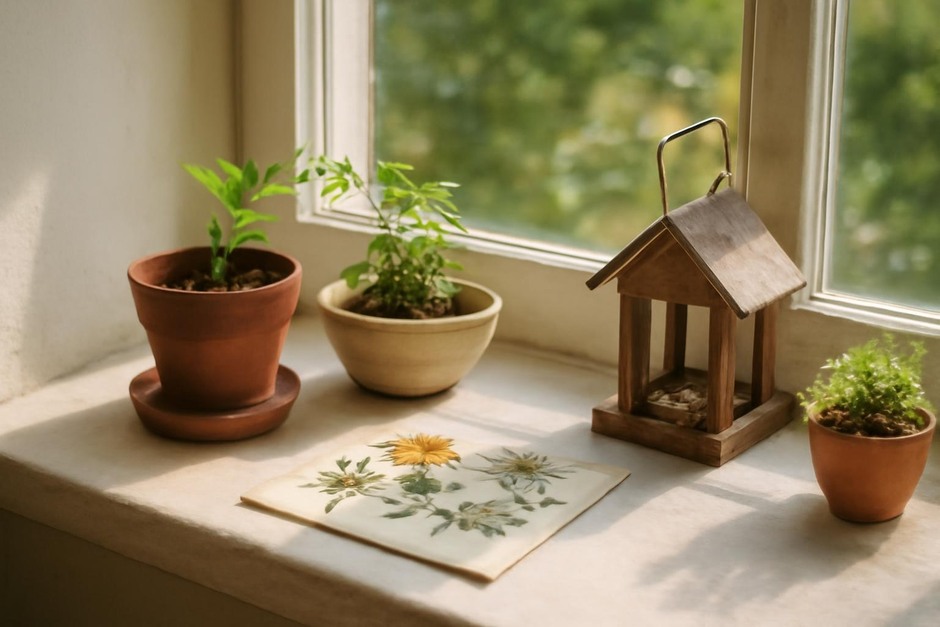
- Actionable tweak: Place sun-loving herbs on the windowsill in summer and move them closer to a light source in winter; use a removable curtain or woven shade to diffuse harsh midday sun in summer to protect sensitive leaves.
Example C — East- and west-facing rooms in transition
Situation: A bedroom with east-facing window and a home office opposite with west exposure.
- Observation method: Record the angle of incoming light in the morning and late afternoon using a smartphone photo and note reflections from mirrors and light-coloured walls.
- Findings: Morning sun is strong in the bedroom but fades by late morning; the office receives warm late-afternoon light that can cause screen glare.
- Actionable tweak: Situate wake-up plants (those that benefit from morning light) in the bedroom and place screens where glare is minimized in the office; add a lightweight curtain to soften afternoon glare.
Practice Checklist: Steps to Map and Use Sunlight in a Week
- Pick a few representative days. Choose one clear day and one cloudy day; repeat this process seasonally if possible.
- Create a simple map. Draw your room outline and mark windows, doors, reflective surfaces, and large obstructions (trees, neighbouring walls).
- Take repeated observations. Photograph or note light patches every two hours from morning to evening, or record hours of direct sunlight for key spots.
- Note plant responses. Record how existing plants look after two weeks in a spot: leaf colour, stretching, flowering or lack thereof.
- Test small moves. Try one relocation per week for a plant or a chair, then observe changes in comfort and plant health.
- Adjust shading and reflection. Use curtains, blinds, mirrors, or light-coloured surfaces to modulate light where needed.
- Keep a seasonal file. Store your map and notes to compare across seasons and refine placement over time.
Mapping sunlight is less about perfect measurement and more about repeated, attentive observation. Small experiments and incremental adjustments—guided by the principles above—help you place plants where they flourish and arrange spaces that feel right through the changing year.